Quick Answer
The fastest ways to save money as a renter are: negotiate before signing or at renewal, compare total monthly cost (rent + fees + utilities), pick the right move-in timing, split costs with a reliable roommate, and avoid optional fees you do not need. Small decisions at move-in often matter more than a single rent number.
Want a number first? Use the Rent Budget Calculator.
Rent is usually your biggest monthly bill, but the rent number itself is only part of the cost. Fees, utilities, insurance, moving expenses, and missed discounts can add hundreds of dollars every month. The good news is that most of these costs have a lever you can pull.
This guide is general information, not financial advice. It covers practical ways to lower your total rental spending without cutting corners on safety, legal protections, or your quality of life.
Start with total monthly cost, not just rent
A lower rent can still be the more expensive option once you add fees, utilities, commuting, and parking. The smartest comparison is the total monthly cost of living in each place.
What counts in total monthly cost
- Base rent
- Parking, storage, or pet fees
- Utilities (electric, gas, water, trash, internet)
- Renter’s insurance
- Commute costs (gas, transit, parking at work)
- Amenities you will actually pay for (gym, package room, valet trash)
If one unit is $100 cheaper but charges $75 for parking and $50 for a required amenity package, the “cheaper” unit is actually more expensive.
For a detailed breakdown of fees landlords can charge, read Hidden Rental Fees Explained.
How to compare two units honestly
Write down the same line items for each unit. Use a conservative estimate for utilities if you do not know the exact number. Then compare the totals. This simple step prevents the common mistake of falling in love with a lower base rent and ignoring the add-ons.
Use the Hidden Fees Estimator to build a side-by-side comparison.
Negotiate rent and fees before you sign
The best time to lower your cost is before you sign the lease. You have the most leverage when the landlord wants a qualified tenant in the unit quickly.
What to ask for
- A lower monthly rent, tied to comparable listings
- Waived or reduced application and admin fees
- Free or discounted parking
- A longer lease at a lower rate
- A preferred move-in date that avoids double rent
How to make the ask
Keep your message short and specific. Mention that you can move quickly, have stable income, or are willing to sign a longer lease. Landlords care about vacancy risk and turnover cost, so frame your request around reducing those risks.
For exact scripts and timing, read How to Negotiate Rent.
Time your move to save money
Moving in the right month can lower both rent prices and moving costs.
Slower rental seasons
In many markets, late fall and winter are slower for rentals. Fewer people move, so landlords may be more willing to offer concessions or accept a lower offer. Summer is usually the busiest and most expensive time to move.
Mid-month and weekday move-ins
Some properties have more flexibility if you move in on a weekday or in the middle of the month. Ask if a different start date affects the rent or fees. Avoiding a prorated overlap with your old lease can also save money.
Cut utility costs without breaking your lease
Utilities are one of the easiest places to save because small habits add up.
Quick wins
- Use LED bulbs and power strips to reduce phantom loads
- Set the thermostat a few degrees higher in summer and lower in winter
- Run the dishwasher and laundry during off-peak hours if your utility has time-of-use pricing
- Take shorter showers and fix dripping faucets quickly
- Use blackout curtains to reduce cooling costs
Ask about included utilities
Some buildings include water, trash, or internet in the rent. That can be a real saving, but only if you were going to pay for those anyway. Do not pay a premium for a gym or pool you will not use.
Read Apartment Utility Costs for a deeper look at lowering bills.
Shop renter’s insurance instead of skipping it
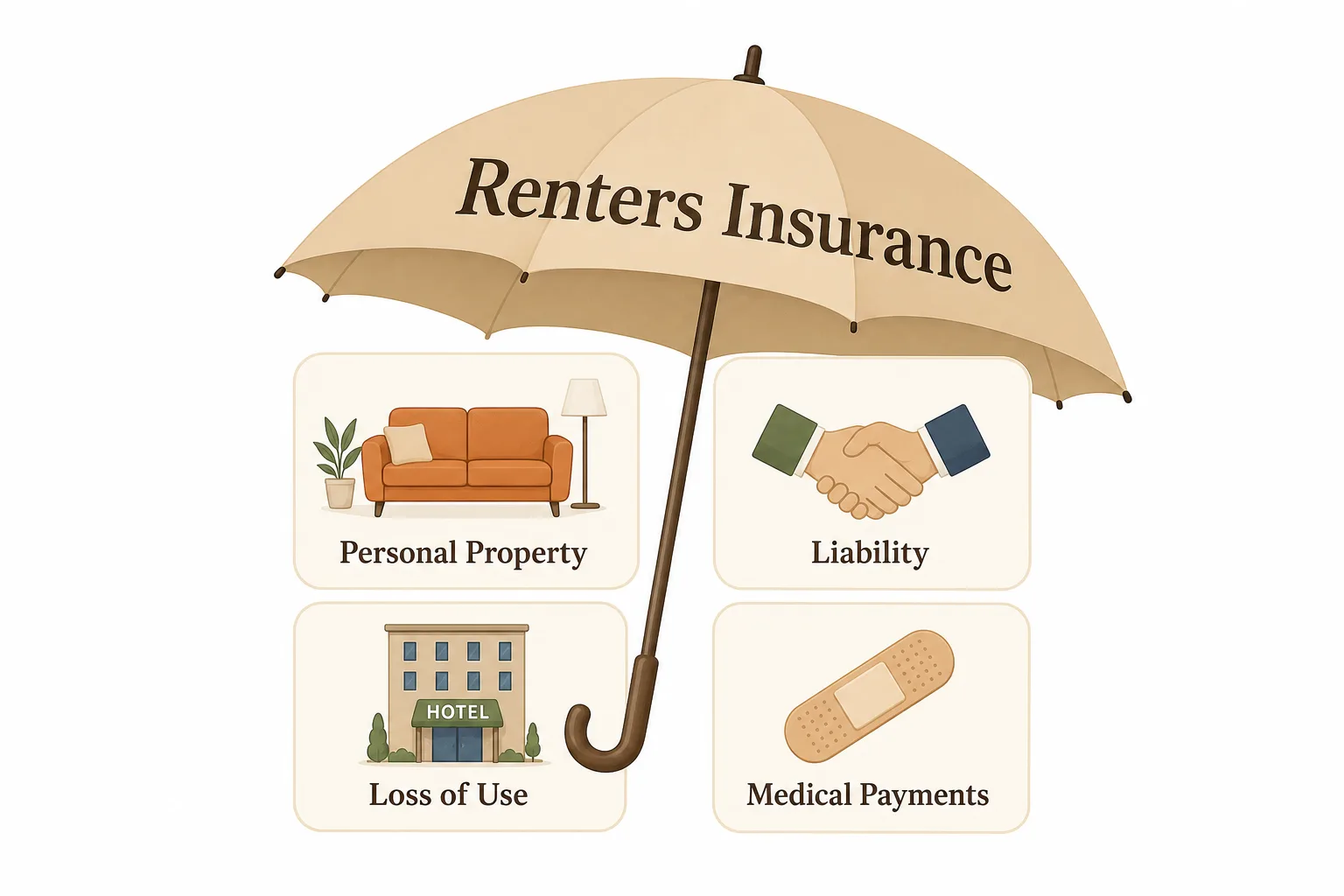
Skipping renter’s insurance is a gamble, not a saving. A fire, theft, or burst pipe can cost far more than a year’s premiums. The better move is to compare prices and choose a policy that fits your actual belongings.
How to lower premiums
- Raise your deductible if you have savings to cover it
- Bundle with auto insurance if your carrier offers it
- Ask about discounts for security systems, smoke detectors, or claims-free history
- Insure your belongings for replacement value that matches what you actually own
For typical costs and coverage basics, see Renters Insurance Cost in 2026.
Use a roommate the right way
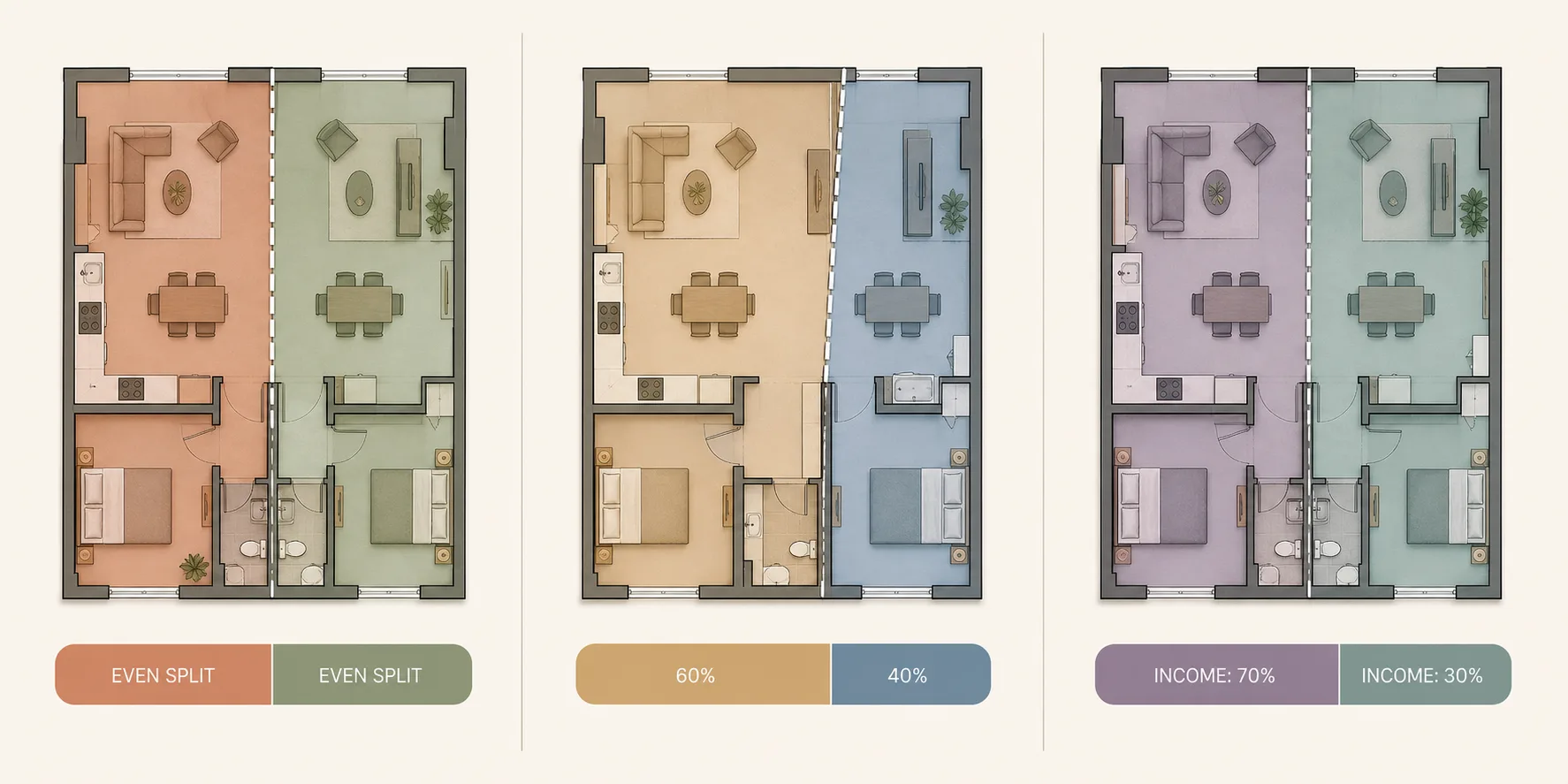
A reliable roommate can cut rent and utilities in half, but the wrong roommate can cost more than it saves.
Roommate money rules
- Split rent and utilities in writing before move-in
- Decide how shared supplies are handled
- Agree on guest and sublet policies upfront
- Keep a small emergency fund for shared repairs or bills
Budget for instability
Choose a rent you can afford on your own if the roommate leaves unexpectedly. That protects you from a crisis if the arrangement changes.
Read the Roommate Agreement Template for a written framework.
Avoid deposits and fees you can control
Some move-in costs are unavoidable, but others can be minimized with planning.
Security deposit basics
Most landlords require a security deposit equal to one month’s rent. In some states, the legal maximum is lower. Know your state’s rules before you pay more than required. Our State Laws page has a state-by-state guide.
Fees to question
- Application fees above what local law allows
- Non-refundable admin fees that duplicate work the landlord already does
- Mandatory renter’s insurance through a specific provider
- Valet trash or other required services you do not want
If a fee seems unusual, ask what it covers and whether it is refundable. A simple question often reveals whether it is negotiable.
Protect your move-in budget
The first month is usually the most expensive. Planning ahead keeps it from derailing your budget.
Move-in costs to expect
- First month’s rent
- Security deposit
- Utility deposits or connection fees
- Moving truck or movers
- New furniture or household items
- Renter’s insurance first payment
For a full checklist, see Apartment Move-In Costs.
Ways to reduce moving costs
- Get quotes from at least two moving companies
- Move yourself if the distance is short and you have help
- Use free boxes from local stores or community groups
- Time the move to avoid prorated overlap rent
Choose location with total cost in mind
A cheaper apartment farther away can cost more once you add commuting. A slightly more expensive unit near work or transit may save money overall.
Calculate commute cost
Estimate monthly gas, parking, transit fares, or rideshare costs for each location. Multiply by 12. The difference often surprises people.
Factor in time
A long commute costs time as well as money. If a closer unit gives you time to cook at home, work a side job, or avoid costly convenience purchases, that is part of the math.
Use every program or discount you qualify for
Many renters leave money on the table by not checking available programs.
Programs to explore
- Local rental assistance or housing vouchers
- Employer-sponsored housing benefits
- Utility assistance programs for low-income households
- Student or senior housing resources
- Renter’s tax credits, if available in your state
Eligibility rules vary by location and income. Check your city, county, and state housing authority websites for current programs.
Keep a small rental emergency fund
Saving money is not only about lowering bills. It is also about avoiding late fees, emergency loans, or rushed moves when something breaks.
A practical target
Aim for at least one month’s rent in a separate savings account. If that feels too big, start with $500. The goal is to handle a surprise without borrowing.
Why this matters
Late rent fees are often a flat amount plus a daily charge. A single late payment can wipe out the savings from months of careful budgeting. A small buffer prevents that.
Common money-saving mistakes to avoid
Some moves that look like savings actually cost more over time.
- Skipping renter’s insurance. One covered event can cost more than years of premiums.
- Signing a lease you cannot afford. A slightly nicer unit is not worth credit damage or constant stress.
- Ignoring lease terms. Breaking a lease early usually costs money unless you have a legal reason.
- Underestimating utilities. A cheap base rent with high electric bills can exceed a more efficient unit.
- Renting from a scam listing. If a deal looks too good, verify the landlord and see the unit in person before sending money.
For scam warning signs, read Rental Scams: How to Avoid Them.
Quick checklist: lower your rental costs
- Compare total monthly cost, not just base rent
- Negotiate before signing or at renewal
- Ask about waived or reduced fees
- Choose the right move-in timing
- Reduce utility use and check for included services
- Compare renter’s insurance quotes
- Use a roommate agreement if sharing costs
- Know your state’s security deposit limit
- Calculate commute cost for each location
- Build a small rental emergency fund
Next steps
Saving money as a renter is about stacking small, smart decisions. Start by comparing the total cost of your current or next unit, then negotiate what you can, trim utilities and fees, and protect yourself with insurance and a small emergency fund.
- Test your rent number with the Rent Budget Calculator
- Compare fees with the Hidden Fees Estimator
- Learn negotiation scripts in How to Negotiate Rent
- Estimate move-in costs with Apartment Move-In Costs