Tenant Rights Basics: Core Rights Every Renter Should Know
Most renter problems get worse when expectations are unclear. Knowing your core rights helps you avoid bad lease terms, request repairs with confidence, and protect your deposit without turning every issue into a fight.
This guide is general information, not legal advice. Rules vary by state and city. Use this page to understand common protections, then confirm the local details before you act.
If you need local sources, start with the tenant rights and laws hub.
Key takeaways
- Your lease cannot waive many core tenant protections.
- Repairs and habitability rules are usually set by state law.
- Privacy and entry notice rules apply even if the landlord has a key.
- Security deposit rules include timelines and limits on deductions.
- Written documentation is your best protection.
What tenant rights cover
Tenant rights are the baseline protections for safety, privacy, repairs, and fair treatment. These rights come from state and local laws and are usually backed by basic housing standards. Your lease can add details, but it cannot remove the core protections that apply in your area.
Think of your lease as the rules of the building and local law as the minimum standard. If a lease clause seems aggressive or confusing, compare it to your local rules and ask for clarification in writing.
Right to a habitable home
A rental must be safe and livable. Most states require working heat, hot water, plumbing, and electricity, plus safe doors and windows. The exact standard and timeline vary, but the principle is consistent.
What habitability usually includes
- Working heat and hot water.
- Functional plumbing and electricity.
- Secure doors and windows.
- Reasonable protection from pests or water damage.
If repairs are ignored
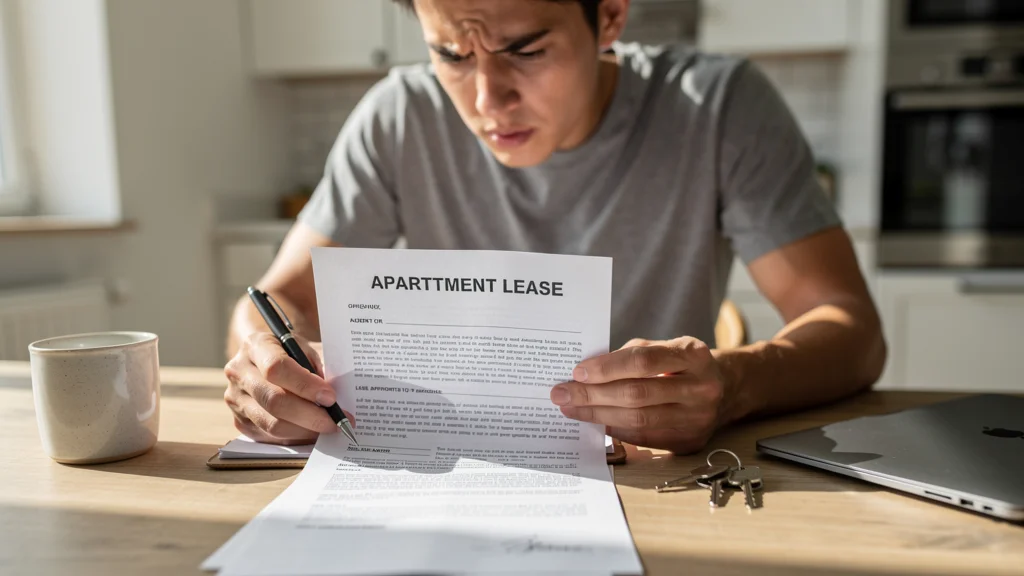
Start with a written request and keep copies. Many states require specific steps before you can take further action, so confirm local rules first. If you need help interpreting a lease clause, use the Lease Red Flag Scanner.
Practical tip: keep a simple repair log with dates, photos, and the exact wording used in your requests. A clean timeline helps more than a long explanation.
Pro tip
If you report a repair by phone, follow up with a short email that repeats the issue and date. Written follow-up protects you if questions come up later.
Right to privacy and entry notice
Landlords usually must give advance notice before entering your unit, except in emergencies. The notice window depends on your state and may also be defined in your lease. If entries feel frequent or unannounced, ask for scheduled visits in writing and keep a record.
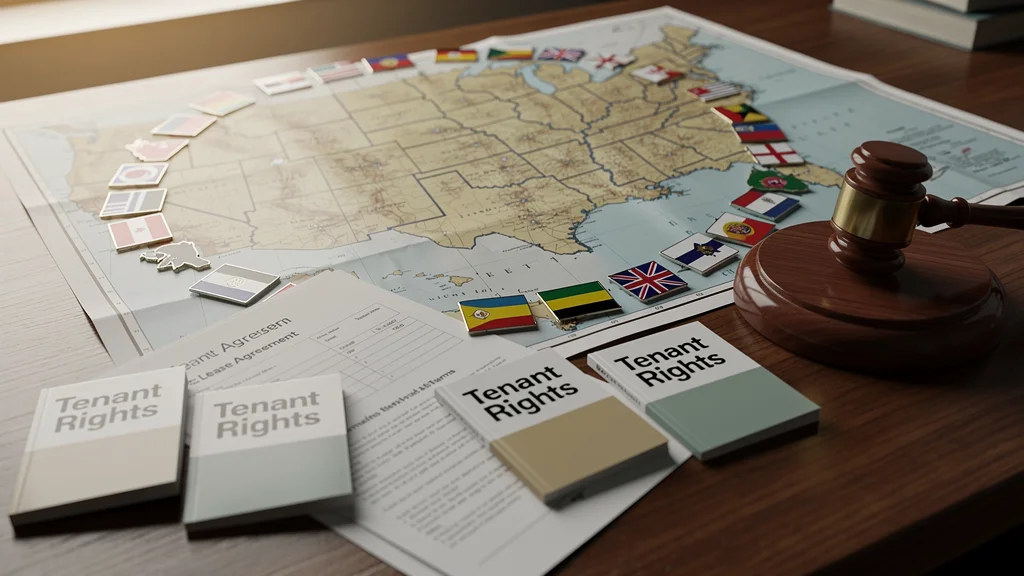
If you are unsure about the notice standard where you live, check the tenant rights by state overview and your local resources.
Fees, rent increases, and communication
Some disputes start with fees or changes that were not clearly explained. A good lease should show what is fixed for the term and what can change. If a fee is not listed, ask where it comes from and when it can be charged.
- Ask for a written fee schedule and keep it with your lease.
- Confirm the notice required for rent increases or renewals.
- Keep important communication in writing whenever possible.
For a renewal timeline, see the rent increase and renewal guide.
Security deposit protections
Most states set limits on what can be deducted and how quickly deposits must be returned. The best defense is documentation at move-in and move-out.
Protect your deposit
- Do a move-in checklist and take photos.
- Save receipts for any repairs you pay for.
- Request a move-out walkthrough when possible.
A clean move-out process starts with the apartment move-out checklist and the security deposit return timeline.
Protection from discrimination and retaliation
Federal and state laws protect renters from discrimination based on protected characteristics. Retaliation for reporting issues or asserting rights is also restricted in many places. If you believe a decision is based on a protected status, document what happened and look up local resources for guidance.
Watch out
If you are pressured to waive a right or accept a new rule that was not in your lease, ask for the policy in writing and compare it to local guidance before you agree.
Documentation that keeps you protected
Documentation is the quiet hero of renter rights. Save your lease, payment confirmations, repair requests, and photos in one folder. If a question comes up months later, you will have a clear record.
- Lease and addendums.
- Rent payment receipts.
- Repair requests and replies.
- Move-in and move-out photos.
If you share a lease, agree on one shared folder and a single point of contact. It prevents lost messages and keeps everyone aligned on timelines.
Copy/paste template: Repair request
Use a short, factual message to report repairs. Keep it calm and include dates and details.
Template:
Hi [Name], I am reporting a repair issue in my unit at [address]. The issue is [describe the problem], and it started on [date]. I have attached photos and can provide access during [available times]. Please confirm the expected repair timeline. Thank you, [Your name]
FAQ
Do tenant rights apply if I signed a lease?
Yes. Your lease should follow state and local laws. If a clause conflicts with local rules, verify the law and ask for clarity in writing.
What if my landlord ignores repair requests?
Keep the request in writing and document dates and photos. Then check your local rules for the required next steps before taking action.
Can a landlord enter without notice?
Emergency entry rules vary, but routine entry usually requires notice. Look up your state rule and compare it to your lease.
How long does a landlord have to return my deposit?
Timelines vary by state and city. Use the deposit return timeline guide as a starting point, then verify locally.
Should I put everything in writing?
Yes. Written communication creates a record and reduces misunderstandings.
Next steps
The goal is calm, factual communication backed by documentation. Use the resources below to plan your next move and confirm the rules where you live.
- Compare state rules in the tenant rights by state overview.
- Prepare your move-out documentation with the move-out checklist.
- If you need to give notice, use the notice to vacate template.