Apartment Utility Costs: How to Lower Monthly Bills Without Breaking Your Lease
Utility costs can feel unpredictable, especially in your first year in a new place. The good news is that most renters have more control than they think. You can reduce bills with a few quick wins, a simple routine, and clear communication when something is not working.
This guide is general information, not legal advice. It will help you understand your billing setup, reduce waste, and avoid common mistakes that drive costs up.
Key takeaways
- Your utility setup (included, submetered, or shared) drives your bill more than habits alone.
- A 30-minute audit can reveal the biggest leaks.
- Small changes in heating and cooling often save the most.
- Written repair requests protect you when a problem causes higher bills.
- A clear split plan avoids roommate disputes.
Know your utility setup
How you are billed changes what you can control. Ask these questions before you move in or at renewal.
Utilities included in rent
Some buildings include water, trash, or heat. If utilities are included, focus on the add-ons you still pay for, like internet or electricity.
Submetered utilities
Submetered means you pay for your actual usage. This gives you the most control, but it also means small leaks can raise your bill.
Shared billing or RUBS
Some properties use a shared billing method where costs are split by unit size or occupancy. If that is the case, focus on the parts you can control and keep a record of any building-wide issues.
Ask for provider lists and typical ranges
Landlords or property managers often know which providers service the building. Ask for the list and whether they can share typical seasonal ranges for similar units. It is not a guarantee, but it helps you plan.
Read your lease and bills
You do not need to read every line, but you should know what you are responsible for and when bills are due.
Check the lease for billing rules
Look for utility responsibility, late fees, and repair reporting requirements. If anything is unclear, ask for a written explanation.
Review your bill line by line
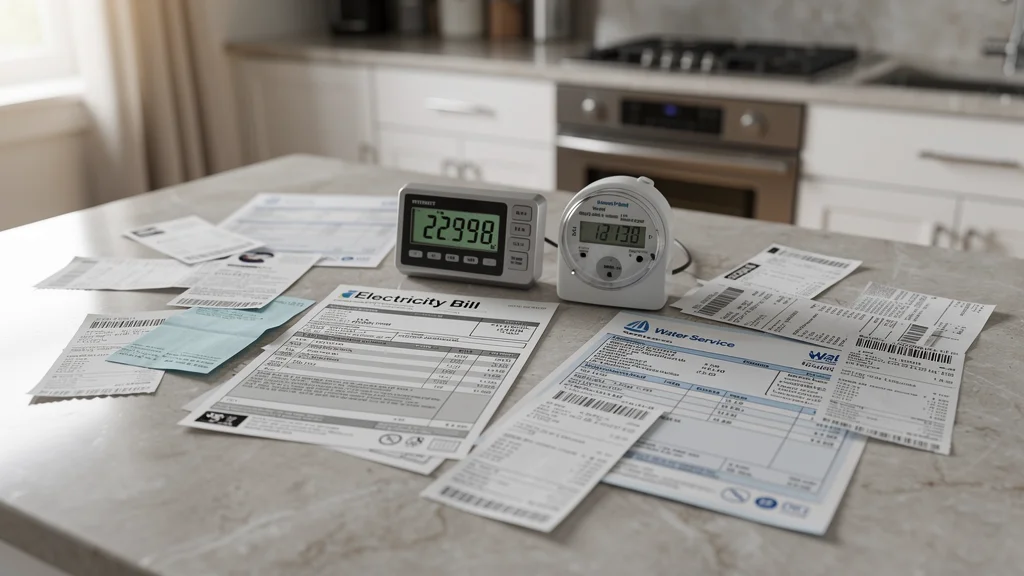
Look for service fees, late fees, or new add-ons. If a charge looks off, ask the provider for a written breakdown.
Know what is maintenance vs tenant responsibility
If a broken seal, HVAC issue, or leak is driving costs up, that is often a maintenance request, not a usage problem. Put issues in writing so there is a record.
Match billing cycles to your budget
If bills land at awkward times, set a reminder so they do not turn into late fees. The Rent Budget Checker can help you map your total monthly cost.
Printable Checklist: 30-Minute Utility Audit
Quick prep
- Grab your latest utility bills
- Locate your thermostat and water heater controls
- Find windows, doors, and vents
The quick checks
- Set thermostat to a reasonable range for the season
- Replace or clean filters if you can access them
- Check for drafts around doors and windows
- Look for dripping faucets or running toilets
- Confirm fridge and freezer seals close tightly
After the audit
- Report any leaks or broken seals in writing
- Track your next bill for changes
- Save your notes in a single folder
Tip: Save this page or screenshot this checklist for later.
Quick wins that lower bills fast
These changes take minutes and usually show up in the next bill.
Adjust heating and cooling
Heating and cooling are often the biggest drivers. Set a stable range and avoid big swings. A small change can be more effective than daily adjustments.
If your building allows it, set a schedule that shifts a few degrees when you sleep or leave. The goal is consistency, not perfection.
Use LED lighting
Switching to LED bulbs lowers lighting costs and reduces heat from fixtures. If you buy a starter kit, compare reviews first. Disclosure: We may earn a commission if you use this service (at no cost to you).
Cut standby power
Unplug devices you rarely use or group them on a power strip. Small leaks add up over time.
Example: Small changes, real impact
Example: A renter who keeps their thermostat stable, switches to LED bulbs, and stops running half-load laundry often sees a lower bill within one or two cycles. The exact amount will vary, but the pattern is consistent.
Longer-term habits that stick
These habits are less about perfection and more about consistency.
Summer cooling habits
- Use curtains or blinds to block direct sun.
- Run fans to circulate air and reduce AC load.
- Cook during cooler times to avoid extra heat.
Winter heating habits
- Add a draft stopper to doors.
- Keep vents clear and avoid blocking airflow.
- Wear layers and keep the thermostat steady.
Warning: Portable heaters can raise costs quickly and may be restricted in some buildings. Check your lease before using them.
Water and laundry habits
- Wash clothes in cold water when possible.
- Run full loads to reduce cycles.
- Take shorter showers and fix drips quickly.
Cooking and appliance habits
- Use lids on pots and turn burners down once boiling.
- Run the dishwasher when full, not half full.
- Let leftovers cool before refrigerating to reduce fridge load.
If you want more ways to cut monthly costs, see how to save money renting.
Plan for seasonal spikes
Utility bills often jump in summer and winter. Planning for those months keeps your budget steady.
Summer cooling costs
If you use AC, expect higher bills in hot months. Start with shade, fans, and steady thermostat settings before you lower the temperature.
Winter heating costs
Heating can drive bills up quickly. Block drafts, keep vents clear, and avoid turning the heat up and down throughout the day.
Shoulder seasons
Spring and fall are great times to reset habits, clean filters, and check seals. Small fixes now can prevent a surprise later.
Repairs and maintenance requests
If a leak or broken system is driving your bill up, put the request in writing. This is general information, not legal advice.
What to include
- The issue and when it started.
- How it affects your utility costs.
- A request for repair and timeline.
Copy/Paste Template: Utility-Related Repair Request
When to use this: When a leak, appliance, or HVAC issue is driving higher bills.
Subject: Repair Request for [Issue] at [Address]

Hi [Landlord Name],

I am requesting a repair for [issue] at [address]. The issue started on [date] and appears to be affecting my utility usage.

Could you please confirm the next step and the expected repair timeline? I am happy to provide access for a technician.

Thank you,
[Your Name]
Make it yours: Keep it factual and include dates.
Split utilities and handle disputes
Roommates and shared billing can cause confusion. A clear plan prevents conflict.
Choose a simple split method
Common options include equal split, split by bedroom size, or split by income. Pick one method and put it in writing.
Use a simple reminder system
Set a shared reminder a few days before the due date. A single late fee can erase the savings you worked for.
Keep a shared record
Use a shared spreadsheet or notes app to track due dates and who paid what.
Dispute charges early
If a bill looks wrong, ask for a breakdown right away. Keep screenshots of your meter readings if you have access.
Tools that make tracking easier
A few tools can help you stay consistent without overthinking it.
Budgeting and bill reminders
A simple budgeting app can keep bills on time and track trends. Disclosure: We may earn a commission if you use this service (at no cost to you).
Usage tracking
Some utility providers offer free usage dashboards. If yours does not, ask for one or check their website.
Pro tip: save monthly snapshots
Save a screenshot of your usage graph each month. It makes it easier to spot patterns and explain spikes when they happen.
Related tools on RentingExplained
- Hidden Fees Estimator to see total monthly cost
- Rent Budget Checker to confirm affordability
- Hidden rental fees guide to spot add-ons
If insurance is part of your monthly budget, review the renters insurance cost guide.
2-Minute Quiz: Are You Ready to Cut Utility Costs?
- You usually review your utility bill...
- A) Only when it is due
- B) When it seems unusually high
- C) Line by line every month
- When the weather changes, you...
- A) Change the thermostat often
- B) Keep it mostly steady
- C) Set a stable range and adjust clothing first
- If you see a leak, you...
- A) Ignore it unless it gets worse
- B) Mention it casually
- C) Report it in writing with dates
- Your roommate utility plan is...
- A) Verbal and flexible
- B) Written in a note or chat
- C) Written with a clear split method and due dates
- Your biggest utility cost is...
- A) A surprise each month
- B) Usually one line item
- C) Tracked in a simple monthly log
Results
Quick Fix: One written plan and a 30-minute audit will make a big difference. Shareable line: "I got Quick Fix on the RentingExplained quiz - worth checking."
Solid: You are close. Tighten your tracking and report issues faster. Shareable line: "I got Solid on the RentingExplained quiz - worth checking."
Locked In: You are proactive and organized. Your bills should stay predictable. Shareable line: "I got Locked In on the RentingExplained quiz - worth checking."
FAQ
Which utilities are usually included in rent?
It varies. Water and trash are often included, while electricity and internet are usually separate. Ask before you sign.
Can a landlord charge for utilities without telling me?
Your lease should explain utility responsibilities. If something is unclear, ask for a written breakdown.
What if my bill spikes for no clear reason?
Check for leaks, compare usage to prior months, and ask the provider for a detailed breakdown.
How can I lower bills quickly?
Start with heating and cooling, then switch to LED bulbs and reduce standby power.
Do utility savings really add up?
Yes. Small changes done consistently can reduce your average monthly total.
Next steps
Lower utility costs come from understanding your setup, fixing waste fast, and keeping a simple routine. Start with the 30-minute audit, then build habits that fit your schedule.
If you are planning a move, pair this with the move-in cost guide and scan add-ons in the hidden fees guide. Track one bill for three months so you have a real baseline.