How to Save Money Renting in 2025: Practical Strategies for Lower Costs
Rent is usually your biggest monthly expense, and it is easy to feel stuck when prices rise or fees appear after you apply. The good news is that many costs are negotiable or adjustable if you approach them early and with a plan.
This guide is general information, not legal or financial advice. It focuses on practical, renter-first moves that lower your total monthly cost without risky shortcuts.
If you are new to renting, start with the first apartment checklist to avoid expensive early mistakes.
Key takeaways
- Know your true rent range before you tour or apply.
- Ask for rent or fee concessions before you sign or renew.
- Focus on total monthly cost, not just base rent.
- Review utilities and insurance once a year.
- Put agreements in writing to avoid surprises later.

Start with a realistic rent range
A common guideline is to keep rent at or below 30% of gross monthly income. It is not perfect, but it is a good starting point for narrowing options. The real goal is to pick a range that leaves room for utilities, debt, groceries, and savings.
Use a range, not a single number
- Write down gross monthly income.
- List fixed costs (debt, car, childcare, insurance).
- Pick a range that still leaves a buffer.
Rent Budget Calculator
Get a budget range based on your income and monthly expenses
Calculate my budgetFree. No signup required. Takes about two minutes.
When to flex the rule
In high-cost markets, you might accept a higher share temporarily. If you do, reduce other costs and set a clear plan for renewal. If you are paying down debt, a lower rent range will give you more breathing room.
Reduce move-in costs before you sign
Many renters overspend at move-in because the total cost is unclear. Ask for a written fee list early so you can compare apples to apples.
Ask for the full fee list
- Application and admin fees.
- Deposits, pet fees, and move-in fees.
- Parking, storage, and amenity fees.
If you need a quick reference, use the move-in cost guide and compare add-ons with the hidden fees guide.
Negotiate before you pay
Fees are easiest to adjust before you sign. A small admin fee waiver or a parking credit can reduce your total monthly cost without changing base rent.
Negotiate rent and terms at the right time
The best time to negotiate is before you sign or at renewal. If rent does not move, other terms often do. For scripts and timing, see the rent negotiation guide.
What to ask for
- Reduced or waived admin and application fees.
- Free parking, storage, or amenity access.
- A longer lease at a steady rate.
- Minor repairs or upgrades before move-in.
Pro tip
Ask for one specific change at a time. A clear, single ask is easier to approve than a list of demands.
Cut recurring fees and add-ons
A $25 fee feels small, but it adds up. Focus on recurring charges that repeat every month.
Common add-ons to review
- Parking and storage fees.
- Trash or utility billing fees.
- Amenity or package fees.
- Pet rent or pet add-ons.
If you do not use a service, ask whether it can be removed. Some fees are fixed, but others are optional or negotiable at renewal.
Hidden Fees Estimator
Add fees and add-ons to see the true monthly cost
Estimate total costFree. No signup required. Takes about two minutes.
Lower utilities with quick wins
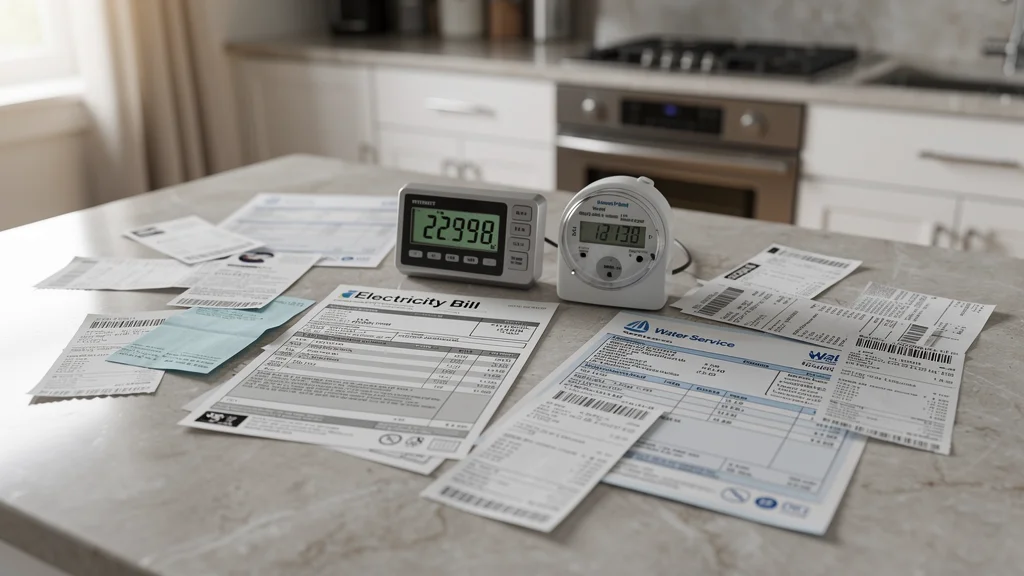
Utility savings are often the fastest way to cut monthly costs mid-lease. Start with your biggest drivers: heating, cooling, and hot water.
Quick wins
- Adjust the thermostat a few degrees and keep it consistent.
- Switch to LED bulbs and reduce standby power.
- Report leaks or appliance issues in writing.
For a deeper plan, use the utility costs guide.
Save on renters insurance
Renters insurance is usually affordable, but prices vary. You can lower premiums by adjusting coverage limits, increasing the deductible, or bundling with auto insurance.
- Compare quotes from two to three providers.
- Bundle policies if you already have auto insurance.
- Update your inventory so you are not over-insured.
For details, see renters insurance cost in 2025.
Reduce transportation-related costs
Location choices affect your total cost. A cheaper unit can be more expensive if the commute adds parking, fuel, or transit passes. Look at total monthly cost, not just rent.
If you can walk or use public transit, you may be able to skip a parking fee or reduce car costs. When comparing two units, add transportation costs to the rent to see the true difference.
Plan for renewal early
Renewal decisions shape your next year of costs. Track your total monthly spend now so you have clear data when the renewal notice arrives.
Use the rent increase and renewal guide to compare options, and keep your budget current so you can negotiate with confidence.
Printable checklist: Monthly savings plan
- Run your rent range with the Rent Budget Checker.
- Ask for the full fee list before you apply.
- Negotiate one clear concession before signing.
- Audit utilities and fix waste quickly.
- Compare renters insurance once a year.
- Track total cost at renewal time.
Tip: Save this list or screenshot it before your next tour.
2-minute quiz: Are you overpaying?
Answer quickly and add up your results.
- You know your total monthly cost (rent + fees + utilities).
- You asked for at least one concession before signing or renewing.
- You reviewed utilities in the last three months.
- You compared renters insurance quotes in the last year.
- You have a written budget range you follow.
**Results:** 4-5 yes = You are optimized. 2-3 yes = Good, but there is room to save. 0-1 yes = Start with the checklist above.
FAQ
How much can I save by negotiating rent?
Savings vary by market and timing, but even a small reduction adds up. A $100 reduction saves $1,200 per year.
Is it worth having a roommate to save money?
It can be, but only if expectations are clear. Put agreements in writing and align on bills, guests, and cleaning.
What if I am already locked into a lease?
Focus on utilities, fees, and insurance. If the lease allows it, consider a roommate or approved sublet.
Should I ever pay more than 30% of my income on rent?
Sometimes it is unavoidable in expensive markets, but treat it as a short-term trade-off and reduce other costs.
What is the fastest way to cut monthly costs?
Utilities, recurring fees, and insurance are usually the fastest wins.
Next steps
The best savings plan is a calm, repeatable one. Focus on total cost, negotiate early, and keep a simple record of fees and utilities.
- Check your rent range with the Rent Budget Checker.
- Audit add-ons with the Hidden Fees Estimator.
- Get negotiation scripts from the rent negotiation guide.